

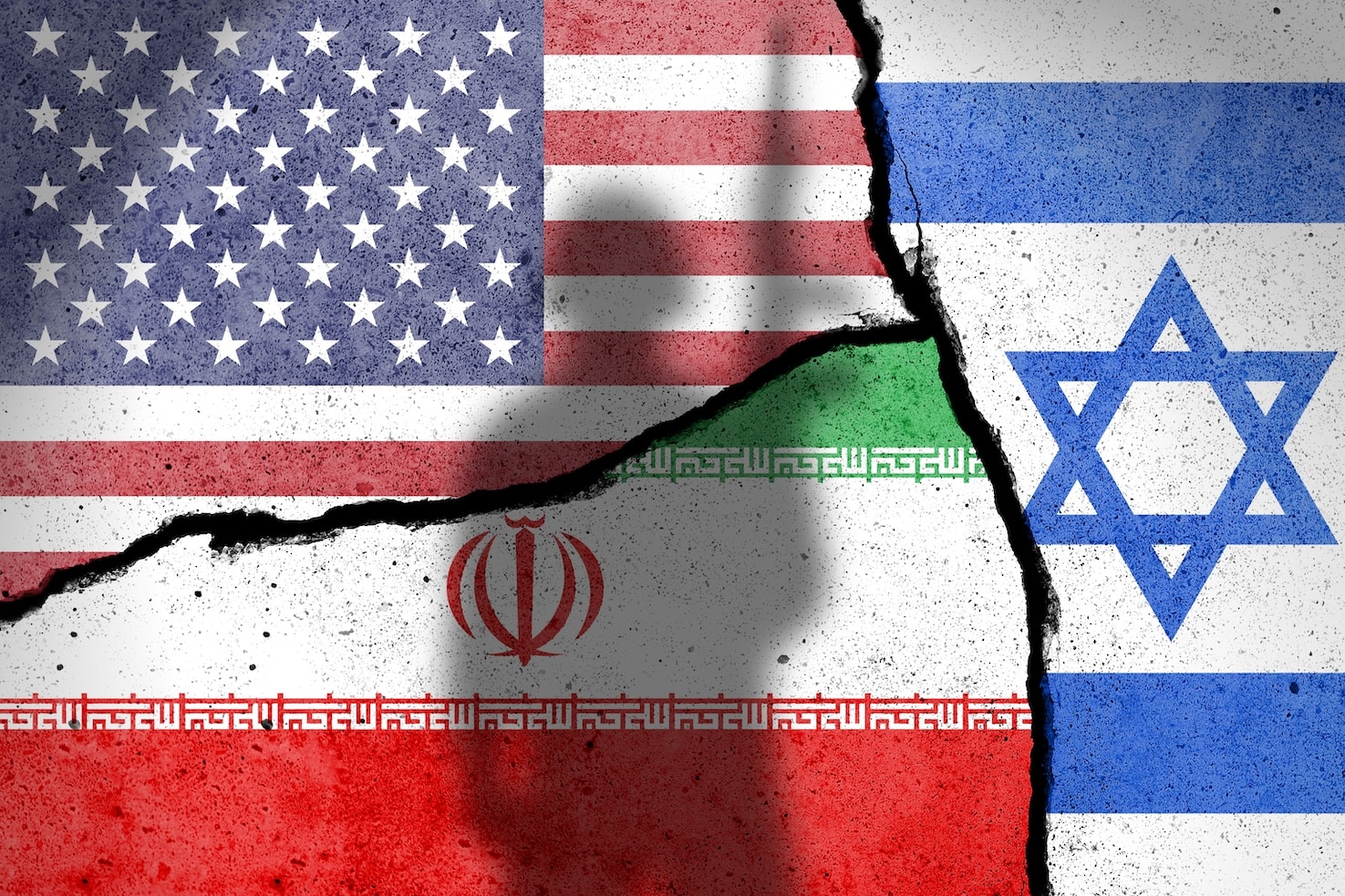
US and Israel launched joint attacks against Iran on February 8, 2026, which undermined the strategic stability of the Middle East. In retaliation, Iran attacked US military installations in Gulf countries and Levant as well as closed the Strait of Hormuz for all the Sea Lanes of Communication which halted the supply of hydrocarbon resources. It also resulted in massive disruption of the global energy market. With the consistent mediatory effort of Pakistan, an MOU was signed between US and Iran on 17th June 2026. However, the ceasefire enacted by the MoU did not last long following the resumption of US airstrike on Iran. The MoU between Iran and US expired on Monday 17 August 2026, amid faltering talks between the two sides. While the full-scale conflict has been at pause, the war seems far from being resolved. The reason is that the conflict between the US and Iran is politico-ideological rather than tactical, featuring longstanding differences between the two countries. The fundamental causes of the conflict between the US and Iran are following.
First and foremost, Iran’s support for Hamas is considered a direct threat to Israel, which is a key regional ally of Washington. The US attack on Iran aptly reflects Washington’s strong commitment to Israel’s security in the region. Secondly, Israel views Iran as an existential threat because of its nuclear program and extensive network of regional proxies. Israel’s threat perception of Iran has been shaped by the advent of the Islamic Republic in Iran and the subsequent consolidation of power under Ayatollah Ali Khamenei. Third, Iran has long been portrayed by both the US and Israel as a sponsor of terrorism in the Middle East. Over the years, Iran has established and consolidated a network of regional proxies in the Middle East and allied group that have operated against the US in the region. Iran’s regional proxy networks along with its support for Hamas are perceived as a direct security threat to Israel. Israel did not accept the expansion of Iranian influence in the Middle East.
On the other hand, Tehran’s national security establishment sees the United States as a fixed and permanent structural threat, with a history of hostility against Iran and its strategic encirclement. The historical trauma that fuels this perception stems from the 1953 CIA coup against Prime Minister Mohammad Mossadegh and Washington’s support for Saddam’s regime during the Iran-Iraq War, making it clear to Tehran that the aim of the Western powers is not to engage but to bring about regime changes. This approach is now being applied as a full-fledged economic war against Iran, underpinned by “Maximum Pressure” sanctions that are intended to cripple the Iranian economy. Moreover, a sustained, coordinated campaign of covert operations by both the U.S. and Israel make it clear that Iran is the main target of a concerted effort to destroy its sovereignty and technological capabilities.
A tightly packed ring of forward deployed U.S. military bases around the Iranian land mass provides physical support for the economic and political containment of Iran. Tehran perceives itself to be caught in an operational “siege ring,” with major US military bases like Al Udeid Air Base in Qatar (CENTCOM’s forward headquarters), Bahrain’s Naval Support Activity (U.S. fifth fleet), key staging areas in Kuwait and the UAE, air bases such as Incirlik in Turkey and integrated radar arrays in Israel, such as site 512. Geographically, this perimeter cuts off Iran from its traditional operational depth, and the country’s defense capabilities are considered crucial for its very survival as a state.
Another primary cause of the conflict stems from the long-standing Ideological, political, and strategic rivalry between Iran and the US as well as between Iran and the US’’s allies in the Gulf. Gulf countries, particularly Saudi Arabia, UAE, Kuwait and Bahrain have traditionally relied on Washington for security and have backed the efforts to contain Iran’s regional influence and its nuclear program. The expansion of Shia political and religious influence is perceived as a threat by several US allies, particularly Israel and Saudi Arabia. Moreover, since the 1979 Iranian revolution, Iran’s strategic culture has largely been shaped by anti- American and anti-imperial sentiments, with the regime emphasizing the protection of Iranian political and cultural identity from Western influence.
Iran’s nuclear program demonstrates another major source of contention between the US and Iran. Although the US supported Iran’s civilian nuclear program during the 1950s under President Dwight D. Eisenhower’s “Atoms for Peace” initiative, Iran’s nuclear activities after the 1979 revolution gradually became a major concern for Washington and its regional allies. Consequently, US imposed extensive economic sanctions on Iran as part of its broader policy of containment, portraying Iran as a regional security challenge because of its continued uranium enrichment and concerns surrounding its nuclear facilities. Although Iran maintains that its nuclear program is intended for peaceful and civilian purposes, but enrichments activities dispute with IAEA, and concerns over undeclared nuclear facilities have increased US suspicions regarding its long-term nuclear ambitions. Israel considers the possibility of a nuclearization of Iran as an existential threat, especially considering Iran’s support for Hamas and other proxy networks.
A nuclear capability could potentially strengthen Iran’s deterrence against Israeli military action and provide greater strategic leverage for its proxy networks in Lebanon, Syria, Iraq, and Yemen. Even if the US was willing to pursue a more flexible approach toward Iran, regional Sunni countries like Saudi Arabia, Qatar, and the UAE would remain deeply concerned about the emergence of a nuclear armed Iran. Such a development could intensity regional security dilemma, enhance an arms race, and further destabilize the balance of power in the Middle East.
Because of these underlying contradictions and the persistent trust deficit, both the US and Iran have developed increasingly hostile perceptions of one another. The US considers Iran as an extremist religious state that supports proxies’ networks in the Middle East, thereby undermining regional stability. Iran, on the other hand, perceives the US as an imperialist power that interferes in its internal affairs and contributes to regional instability through its extensive military presence in the Middle East. The hostile attitudes and perceptions of the US and Iran towards each other are reflected in major developments such as the severance of diplomatic relations, the freezing of Iranian assets, the imposition of economic sanctions, the unilateral US withdrawal from the Joint Comprehensive Plan of Action (JCPOA) in 2018, Iran’s non-compliance with certain IAEA obligations and its continued support to Shia militias, imposition of war and irrational killing of Ayatollah Khamenei by US and Israel.
US-Iran conflict cannot be permanently resolved unless these structural contradictions are addressed. The MOU signed between the US and Iran on 17th June 2026, which established a temporary 60 days ceasefire mediated by Pakistan, demonstrated conflict management rather than conflict resolution. It focused on de-escalation and the resumption of traffic in the Strait of Hormuz. The conflict is likely to resurface until both sides exercise sustained commitment to a future peace agreement. Restoring the Strait of Hormuz to pre-conflict status is a top priority for the US and its regional allies so that Iran would not use it as a coercive tool. In order to manage the crisis, both sides should come forward and demonstrate greater flexibility. The US should consider releasing Iran’s frozen assets and lifting economic sanctions. In response, Iran should reduce or terminate its strategic cooperation with Shia proxy networks. The pre-war status of the Strait of Hormuz can only be restored if the US and Israel can reassure Iran that there is no longer a threat to its survival and sovereignty. Any taxes imposed on commercial vessels passing through the Strait of Hormuz should be directed toward the reconstruction of Iran. Even if these conditions are met, permanent peace may remain difficult to achieve because of the unresolved structural contradictions between the two parties.

Laraib Zahid is an intern at the Center for International Strategic Studies (CISS), Islamabad.

